
CEREC is a sophisticated CAD/CAM system for the production of all ceramic inlays, onlays, partial crowns, veneers and crowns for anterior and posterior teeth. Worldwide more than 25,000 practices in over 50 countries work with the CEREC system. Since 1985 over 8 million patients have been treated using this procedure.
More than 20 million ceramic restorations have been created and placed. Long term clinical studies demonstrate that in terms of durability these restorations are at least equivalent to gold restorations. Depending on the individual case these types of fillings can achieve even better results than gold fillings.

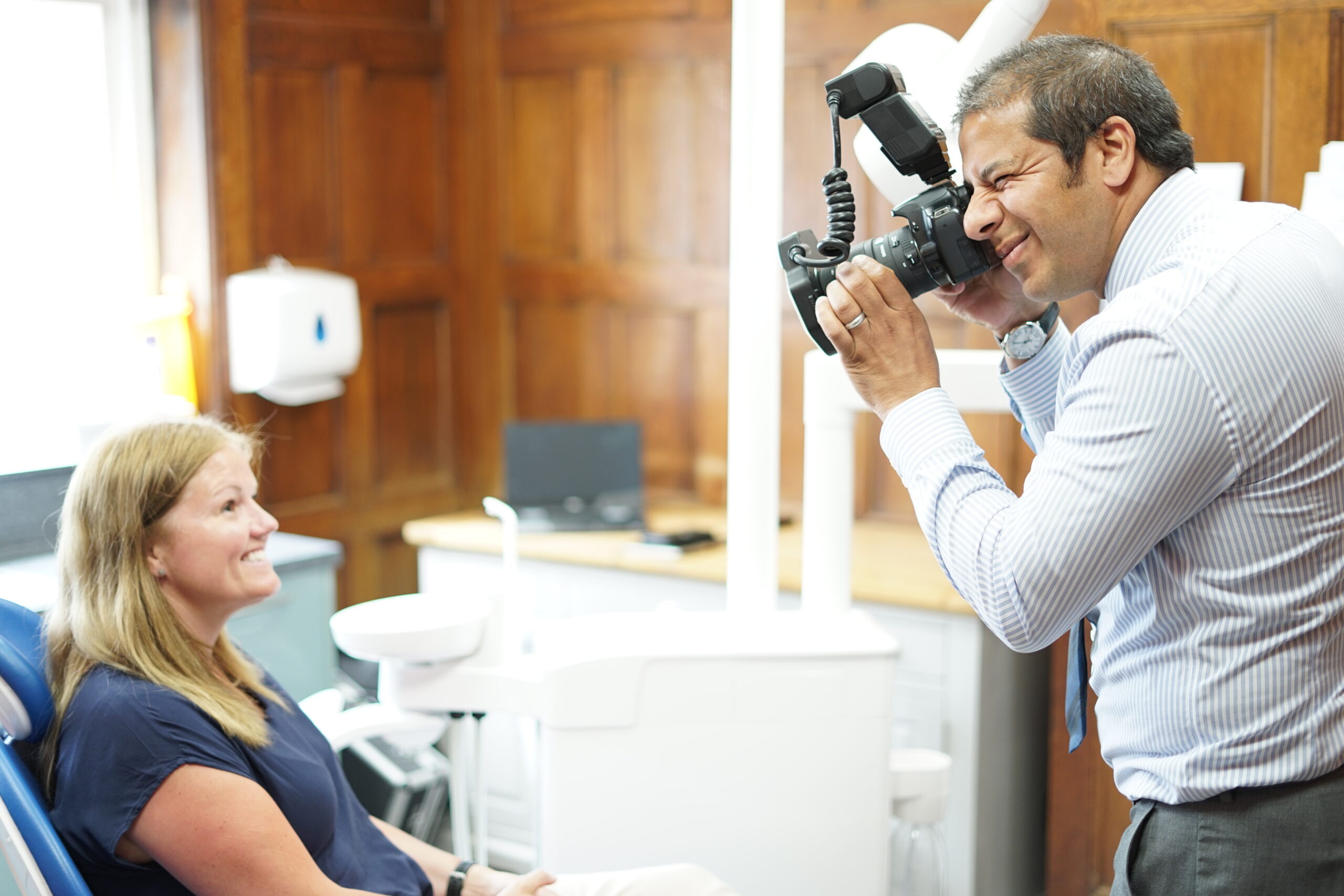
The CEREC 3D measuring camera scans the prepared tooth in just a few seconds. This eliminates the need for unpleasant silicone impressions.
CEREC restorations are milled out of a solid ceramic block in just a few minutes. They are then ready to be placed immediately. This eliminates the need for temporary fillings and crowns. It also means that you only need one appointment and you don’t have to wait for days on end until the filling is finished.
Because these restorations can be placed immediately, you need only one appointment. And you benefit from tooth restorations which have demonstrated their durability time after time again.
Metal-free materials, such as ceramic or zirconia, closely resemble the natural colour and translucency of teeth. This results in dental restorations that blend seamlessly with your natural teeth, creating a more aesthetically pleasing smile.
Before starting the CEREC treatment, you will be informed about the advantages and benefits of this procedure. This discussion helps you understand how CEREC works and what to expect.
If there is decayed tissue or a defective amalgam filling in the tooth, it is first removed. Then, a 3D image of the tooth is created using a high-tech camera. This camera captures precise details of the tooth’s shape and contours.
The acquired 3D image of the tooth is displayed on a monitor connected to the CEREC acquisition unit. Using specialised software, the dentist designs the restoration (such as a crown or veneer) right on the screen. This digital design ensures a precise fit and natural appearance.
Once the design is complete, the CEREC milling unit comes into play. This unit uses computer-guided technology to carve the restoration out of a solid ceramic block. This step ensures that the restoration matches the exact specifications of the digital design.
After the milling is finished, the newly created restoration is carefully removed from the ceramic block. It is then bonded directly to your tooth using dental adhesive. Your dentist at Wycherley’s Dental Practice in Newport will ensure a proper fit, alignment and bite before finalising the bonding process.

Wycherleys Dental Practice Ltd trading as Wycherleys Dental Practice is a credit broker not a lender and is authorised and regulated by the Financial Conduct Authority, 655843 . Registered in England & Wales 07747524. Registered Address: Granville House, 2 Tettenhall Road, West Midlands WV1 4SB